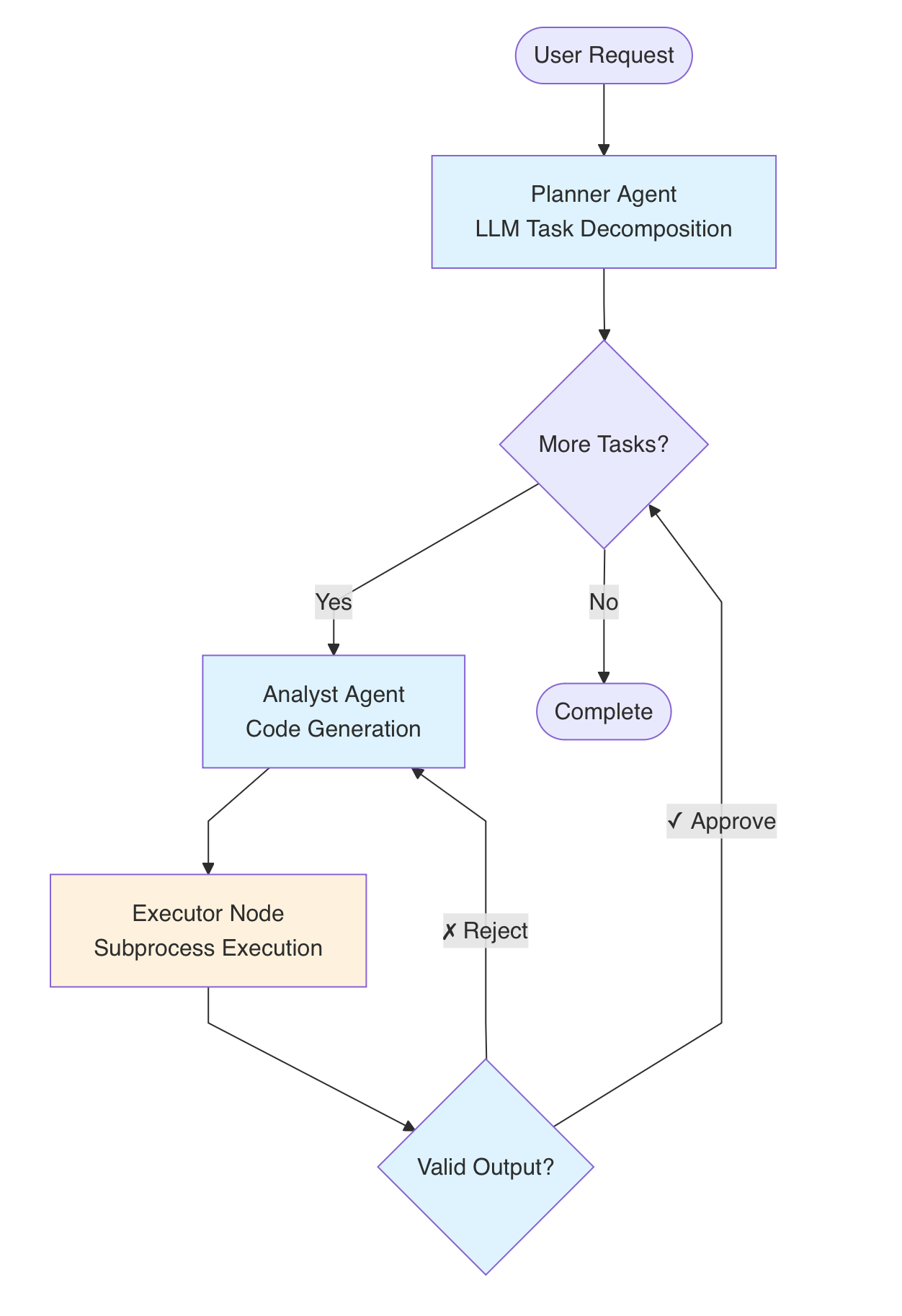
Multi-agent architecture for single-cell analysis

Can AI Match Human Experts at Cell Type Annotation?

Single-cell RNA sequencing has revolutionized how we study biology. A single experiment can profile hundreds of thousands of individual cells, revealing the diversity of cell types in any tissue. But there’s a bottleneck: someone has to make sense of all that data. The standard workflow—quality control, filtering, normalization, clustering, and cell type annotation—requires PhD-level expertise and weeks of hands-on work. Data scientists at research institutions are perpetually backlogged. Scientists wait weeks just to see their first annotated UMAP. ...
January 10, 2025 · 3 min · Alejandro A. Granados, Ph.D.
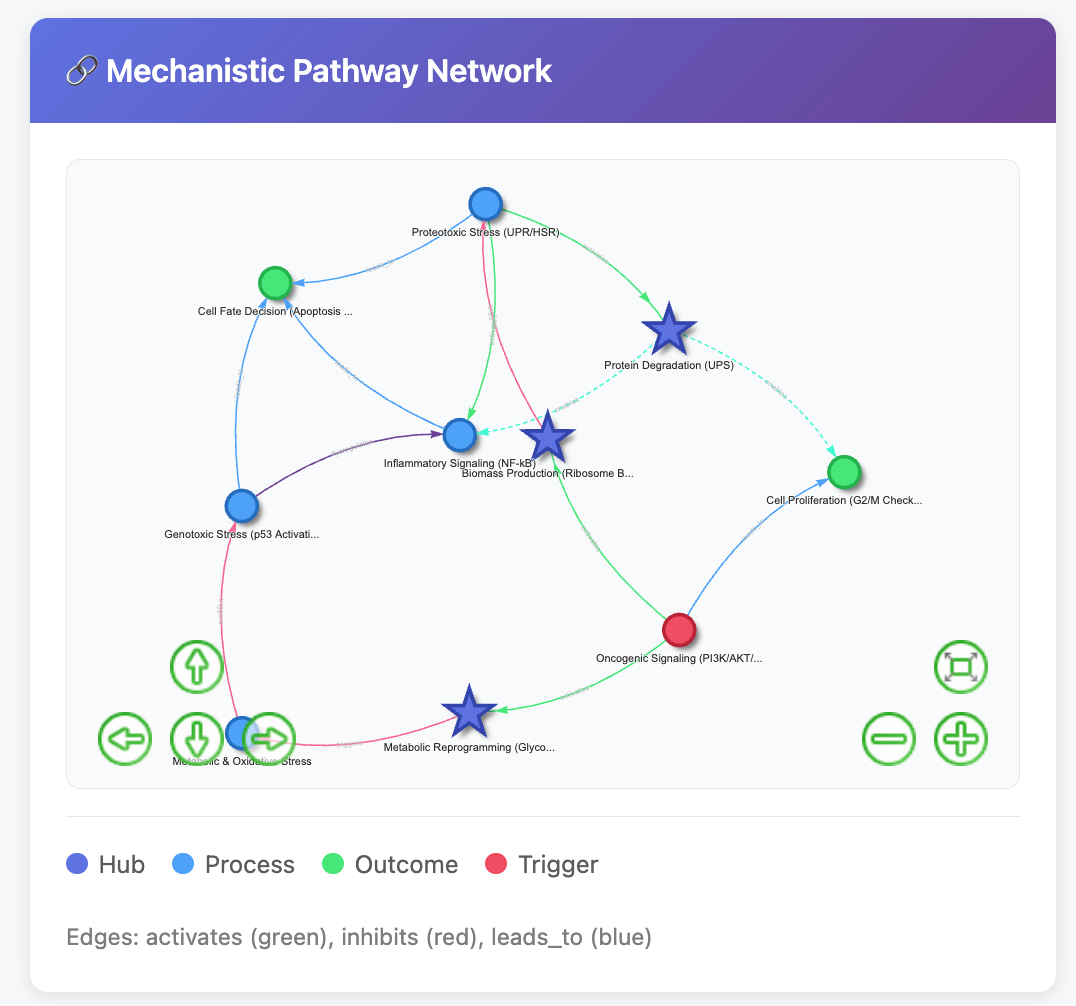
Mechanistic pathway network

From Gene Lists to Biological Stories with Multi-Agent AI

You’ve run your experiment. Differential expression identified 500 genes. Gene Set Enrichment Analysis returned 200 significant pathways across three databases. Now what? This is where most analyses stall. Pathway names are redundant (“cell cycle,” “G2/M checkpoint,” “mitotic spindle” all capture similar biology). Literature context requires hours of PubMed searches. Connecting pathways into mechanistic narratives requires deep domain expertise. And the sheer cognitive load means interpretation is often superficial, biased toward pathways the researcher already knows. ...

January 8, 2025 · 2 min · Alejandro A. Granados, Ph.D.