Alejandro Granados
Principal Data Scientist building AI systems for biological discovery. I design LLM-agent pipelines that combine deterministic bioinformatics with language model reasoning.
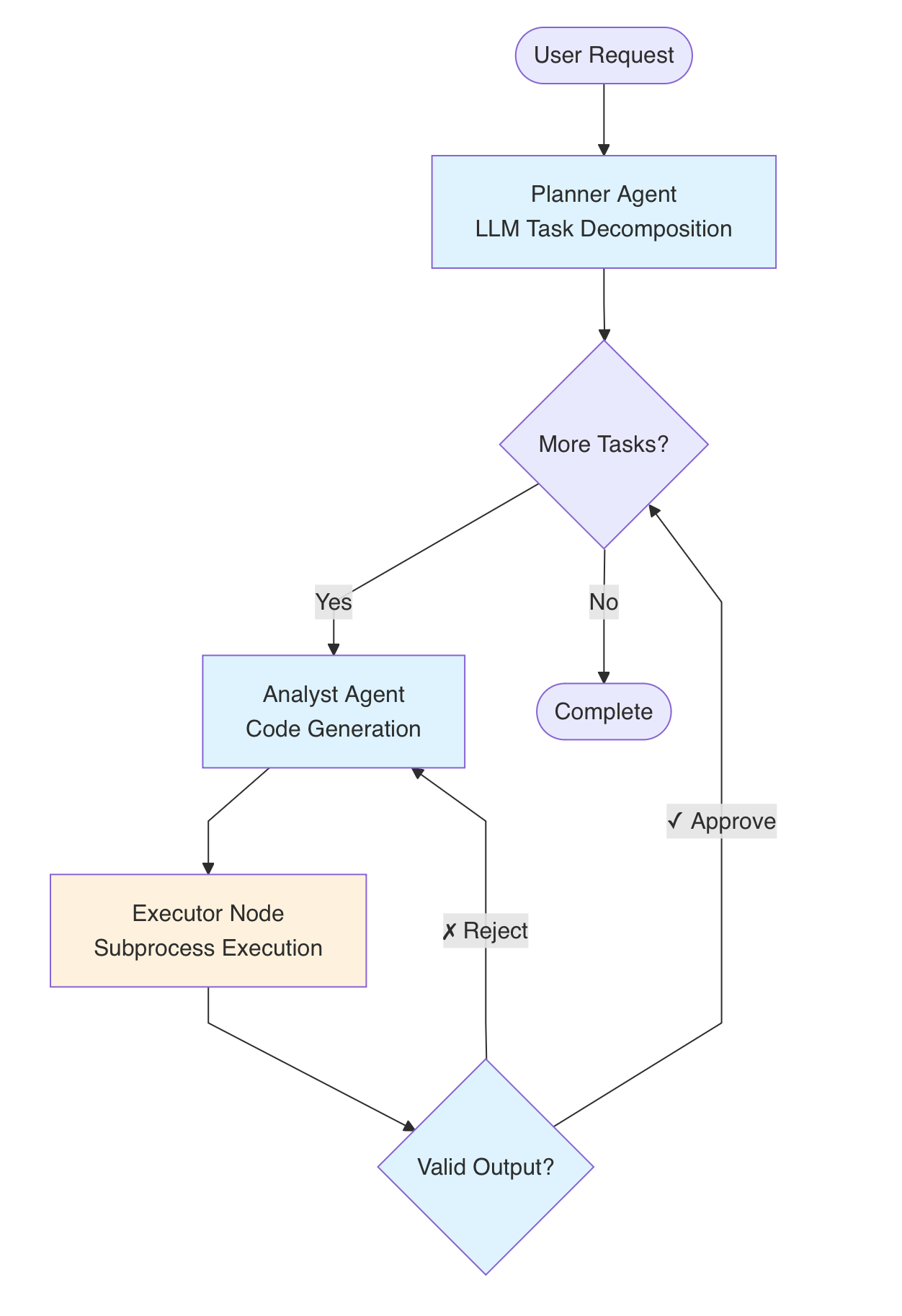
Single-cell RNA sequencing has revolutionized how we study biology. A single experiment can profile hundreds of thousands of individual cells, revealing the diversity of cell types in any tissue. But there’s a bottleneck: someone has to make sense of all that data. The standard workflow—quality control, filtering, normalization, clustering, and cell type annotation—requires PhD-level expertise and weeks of hands-on work. Data scientists at research institutions are perpetually backlogged. Scientists wait weeks just to see their first annotated UMAP. ...
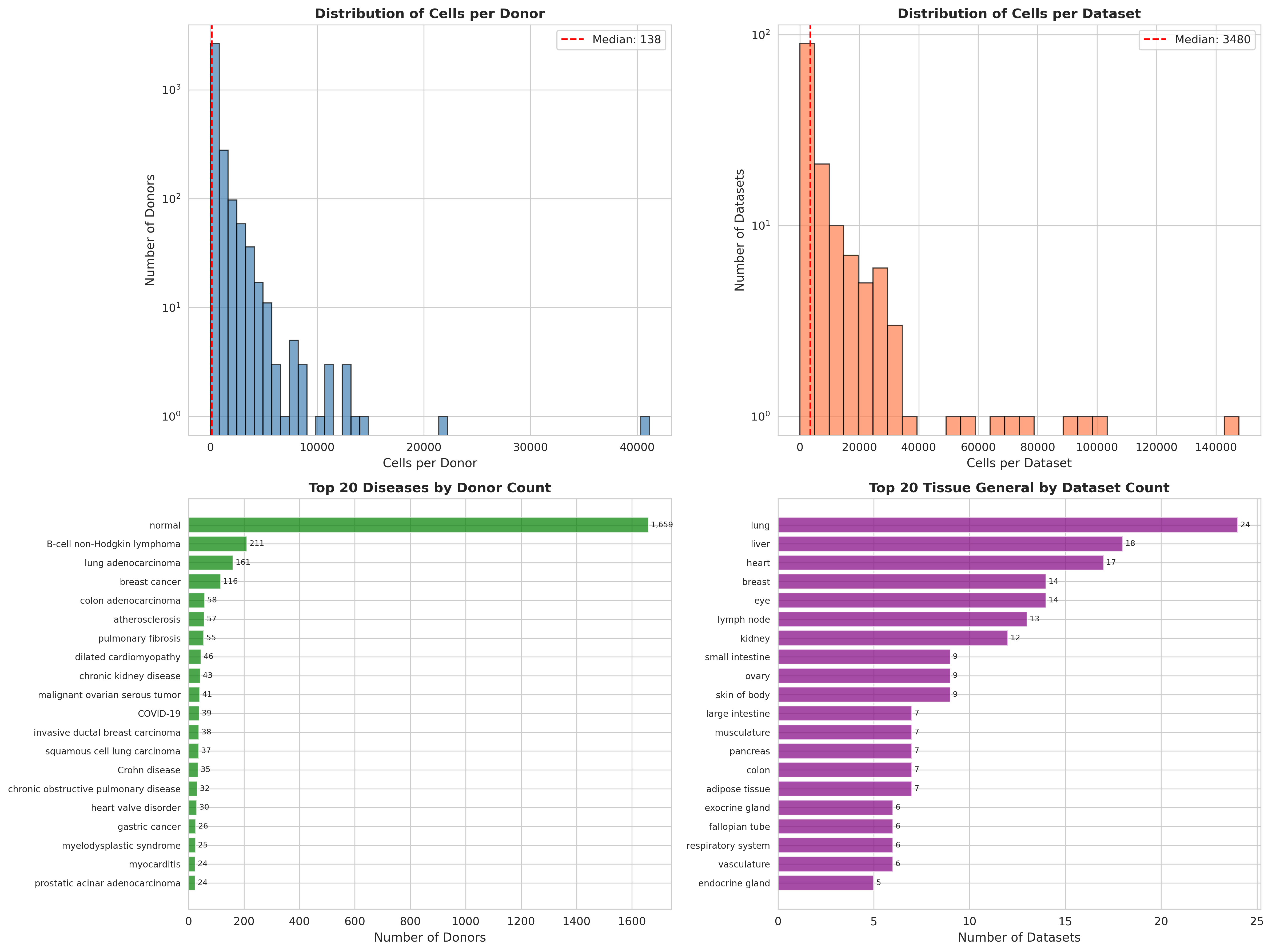
Public single-cell databases now contain over 140 million human cells spanning hundreds of tissues, diseases, and age groups. In principle, this is an unprecedented resource for drug discovery: you could ask questions like “which diseases show elevated stress response in astrocytes?” or “how does immune cell composition change with age across tissues?” In practice, nobody does this. The data is too heterogeneous. Metadata is inconsistent. Statistical modeling requires careful attention to batch effects, donor demographics, and tissue-specific confounds. Most researchers look at one dataset at a time. ...
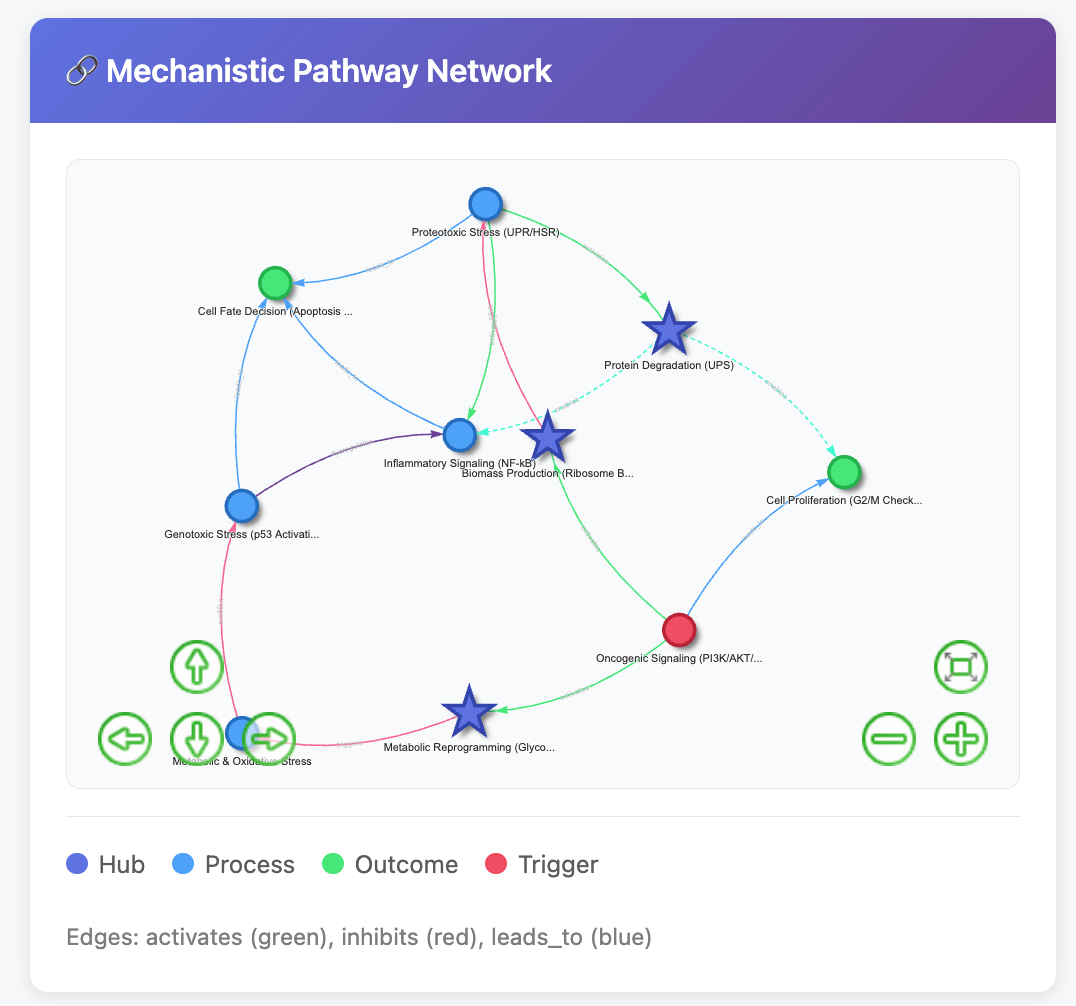
You’ve run your experiment. Differential expression identified 500 genes. Gene Set Enrichment Analysis returned 200 significant pathways across three databases. Now what? This is where most analyses stall. Pathway names are redundant (“cell cycle,” “G2/M checkpoint,” “mitotic spindle” all capture similar biology). Literature context requires hours of PubMed searches. Connecting pathways into mechanistic narratives requires deep domain expertise. And the sheer cognitive load means interpretation is often superficial, biased toward pathways the researcher already knows. ...
How does a single fertilized egg become a complex organism with hundreds of distinct cell types? This question has driven developmental biology for over a century, but we’ve lacked the resolution to truly see the process unfold. Zebrahub changes that. The Challenge Zebrafish are a workhorse model organism—transparent embryos, rapid development, genetic tractability. But previous atlases captured snapshots: this cell type exists at this stage. What we wanted was a movie: how do cell states transition over time? Where are the decision points? ...
Cell-cell signaling pathways—Wnt, Notch, TGF-β, Eph-ephrin—are the communication infrastructure of multicellular life. Each pathway comprises families of receptors that cells can express in different combinations. But which combinations actually occur in nature? And do different cell types use the same pathways in the same way? These questions seem basic, but we didn’t have answers. Until now. Mining Single-Cell Atlases The explosion of single-cell RNA sequencing data created an opportunity. By integrating multiple public atlases, we could survey receptor expression across thousands of cell types from dozens of tissues. ...